Winter-Proofing Homes for Seniors in Cleveland: Essential Tips and Tricks
As winter approaches, ensuring that seniors' homes in Cleveland are winter-proofed is crucial for their safety and comfort. Cold weather can pose challenges, but with some essential tips and tricks, you can help make a senior's home warm and secure.
Insulating the Home
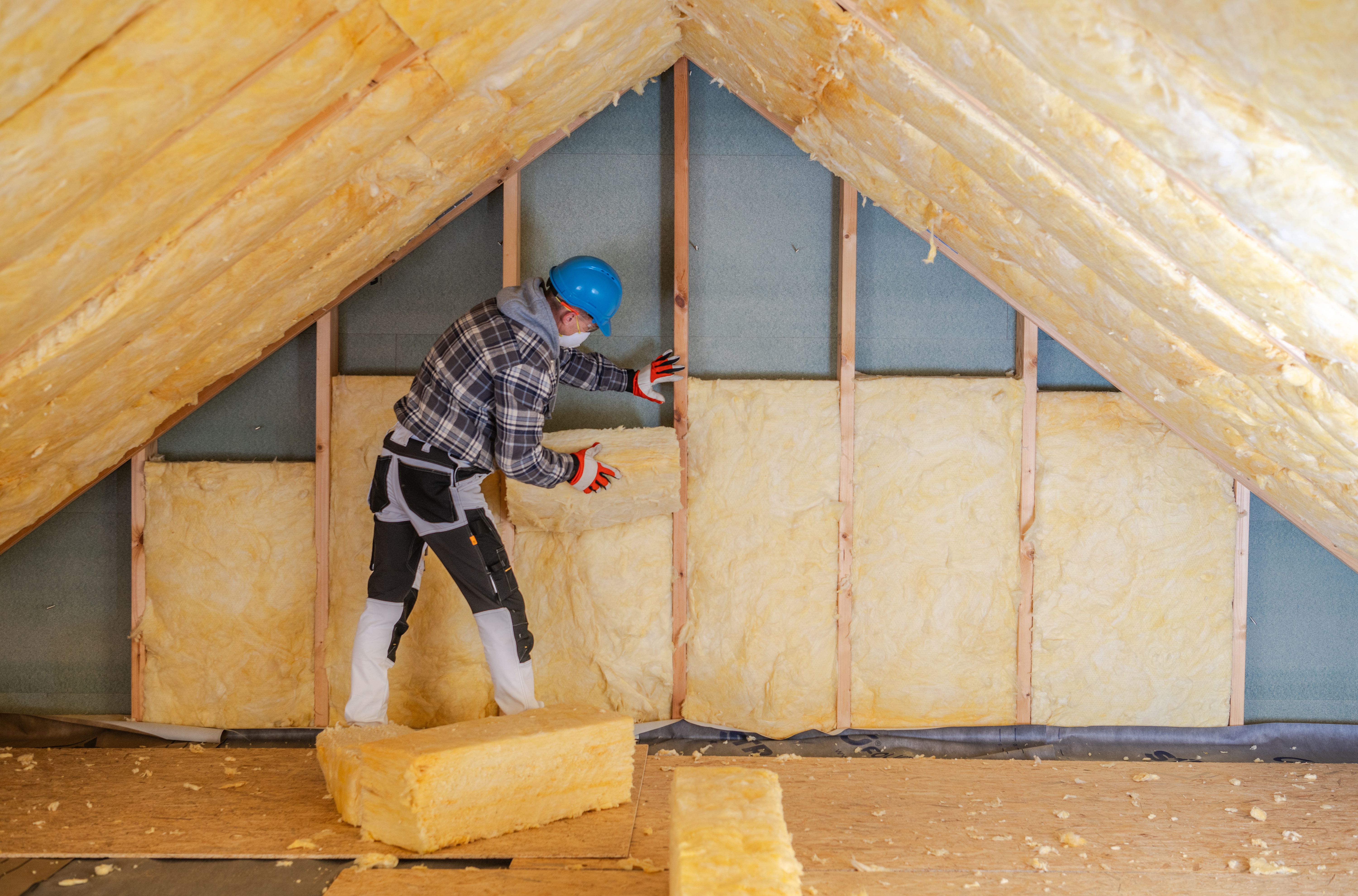
Proper insulation is key to maintaining a comfortable indoor temperature. Check the attic, walls, and floors to ensure they are well-insulated. If necessary, add extra insulation to prevent heat loss. This step can significantly reduce energy bills and keep the home cozy during the colder months.
Seal any gaps or cracks around windows and doors with weatherstripping or caulking. This helps prevent cold drafts from entering the home, making it more energy-efficient.
Maintaining Heating Systems
Regular maintenance of heating systems is vital. Schedule a professional inspection of the furnace or heating system to ensure it is working efficiently. Replace air filters and clean ducts to improve air quality and system performance.
Consider installing a programmable thermostat. This allows for better control of the heating system, ensuring the home remains at a comfortable temperature without wasting energy.
Preventing Slips and Falls
Slippery surfaces can be dangerous, especially for seniors. Ensure all walkways, driveways, and steps are clear of snow and ice. Use salt or sand to improve traction and reduce the risk of falls.

Inside the home, remove any tripping hazards such as loose rugs or clutter. Install handrails and grab bars in key areas like bathrooms and staircases for added safety.
Ensuring Emergency Preparedness
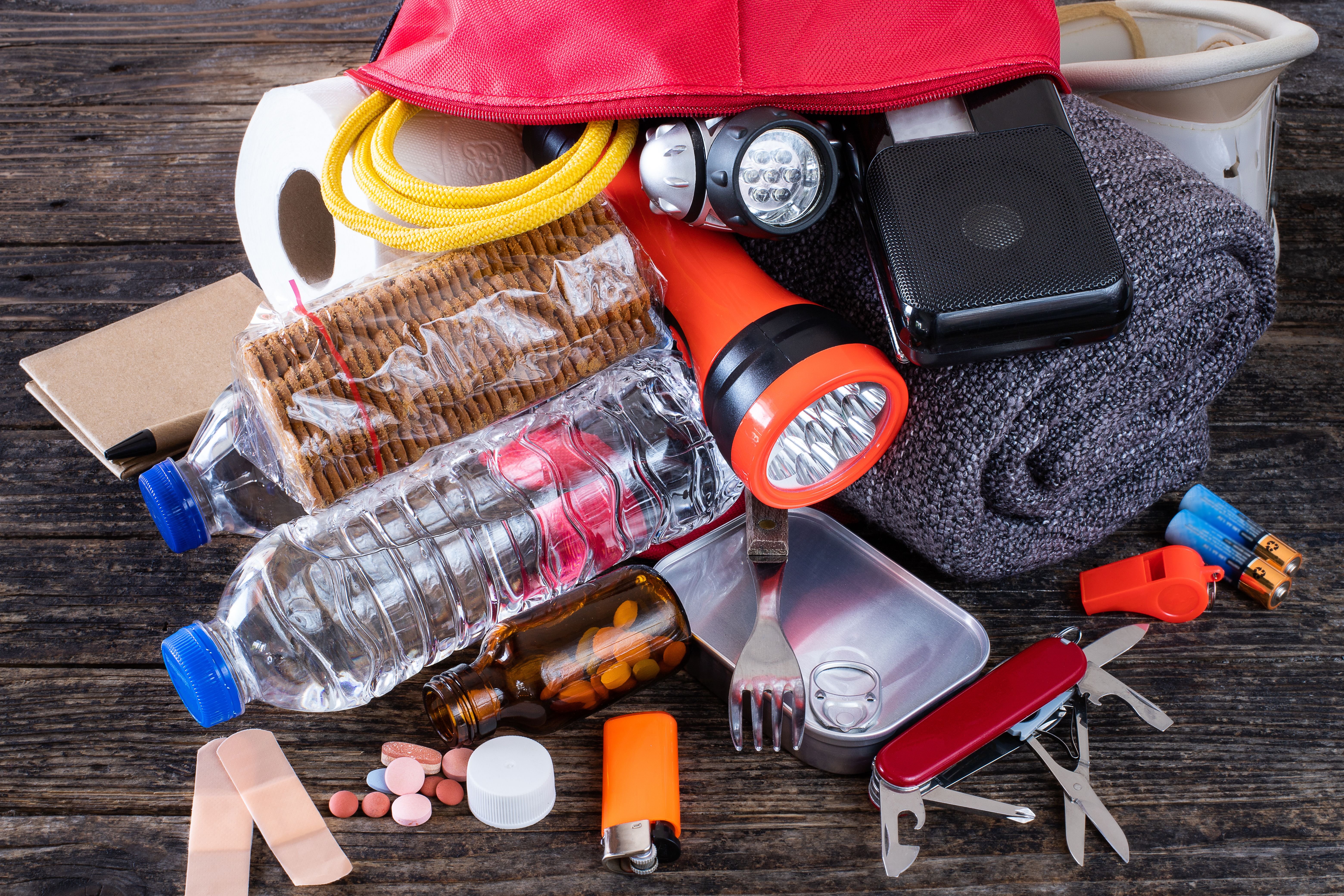
Power outages are more common during winter storms, so it's important to be prepared. Ensure flashlights, batteries, and a battery-operated radio are easily accessible. Keep a supply of essential items like water, non-perishable food, and medications.
Consider installing a backup generator to provide electricity during outages. This can be particularly useful for seniors who rely on medical devices that require power.
Improving Indoor Air Quality
Winter months can lead to poor indoor air quality due to closed windows and increased heating. Use air purifiers and humidifiers to maintain a healthy environment. Humidifiers can also help prevent dry skin and respiratory issues.
Encourage regular ventilation by opening windows briefly on milder days to let fresh air circulate. This helps reduce the buildup of indoor pollutants and maintains a healthier living space.
Staying Connected
Isolation can be a concern for seniors during winter. Ensure they have access to communication devices like phones or tablets to stay in touch with family and friends. Regular check-ins can provide emotional support and ensure their well-being.
Community resources and services can also be valuable. Encourage involvement in local senior centers or virtual activities to promote social interaction and engagement.