The Ultimate Guide to Bathroom Accessibility Modifications for Aging in Place
Introduction to Bathroom Accessibility
Aging in place is becoming an increasingly popular choice for many seniors. To ensure safety and comfort, modifying the bathroom for accessibility is crucial. These changes not only enhance independence but also significantly reduce the risk of accidents.
Key Modifications for Safety
One of the primary concerns in bathroom design for seniors is slip prevention. Installing non-slip flooring is essential. Consider materials like textured tile or vinyl that provide grip even when wet.
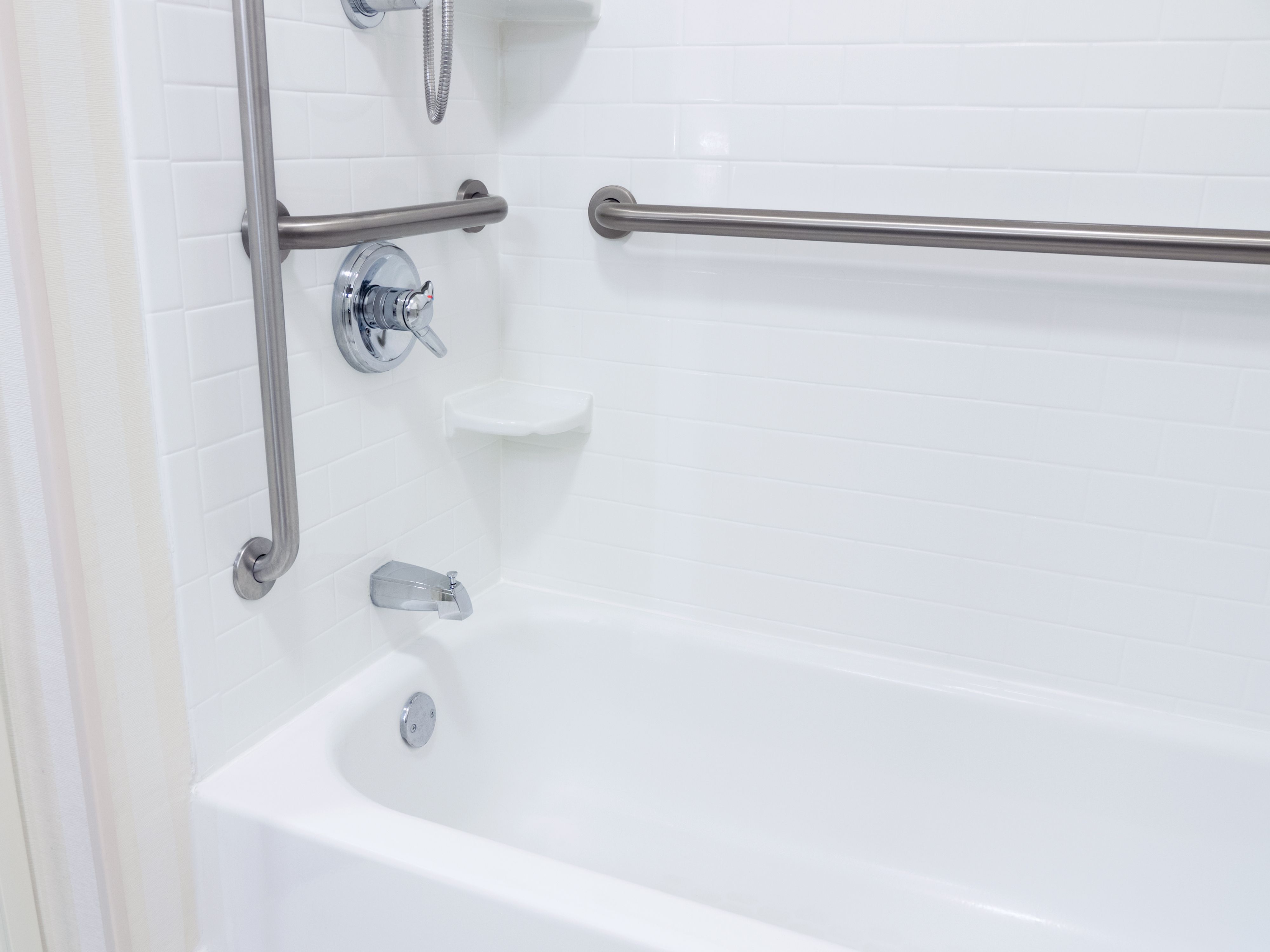
Grab bars are another vital addition. Place them strategically near the toilet and in the shower. These bars offer support and stability, making daily activities safer for seniors.
Shower and Bathtub Modifications
Transforming the shower and bathtub area is a major step in bathroom accessibility. A walk-in shower eliminates the need to step over high tub walls, reducing the risk of falls. Consider a zero-threshold or curbless design for easy access.
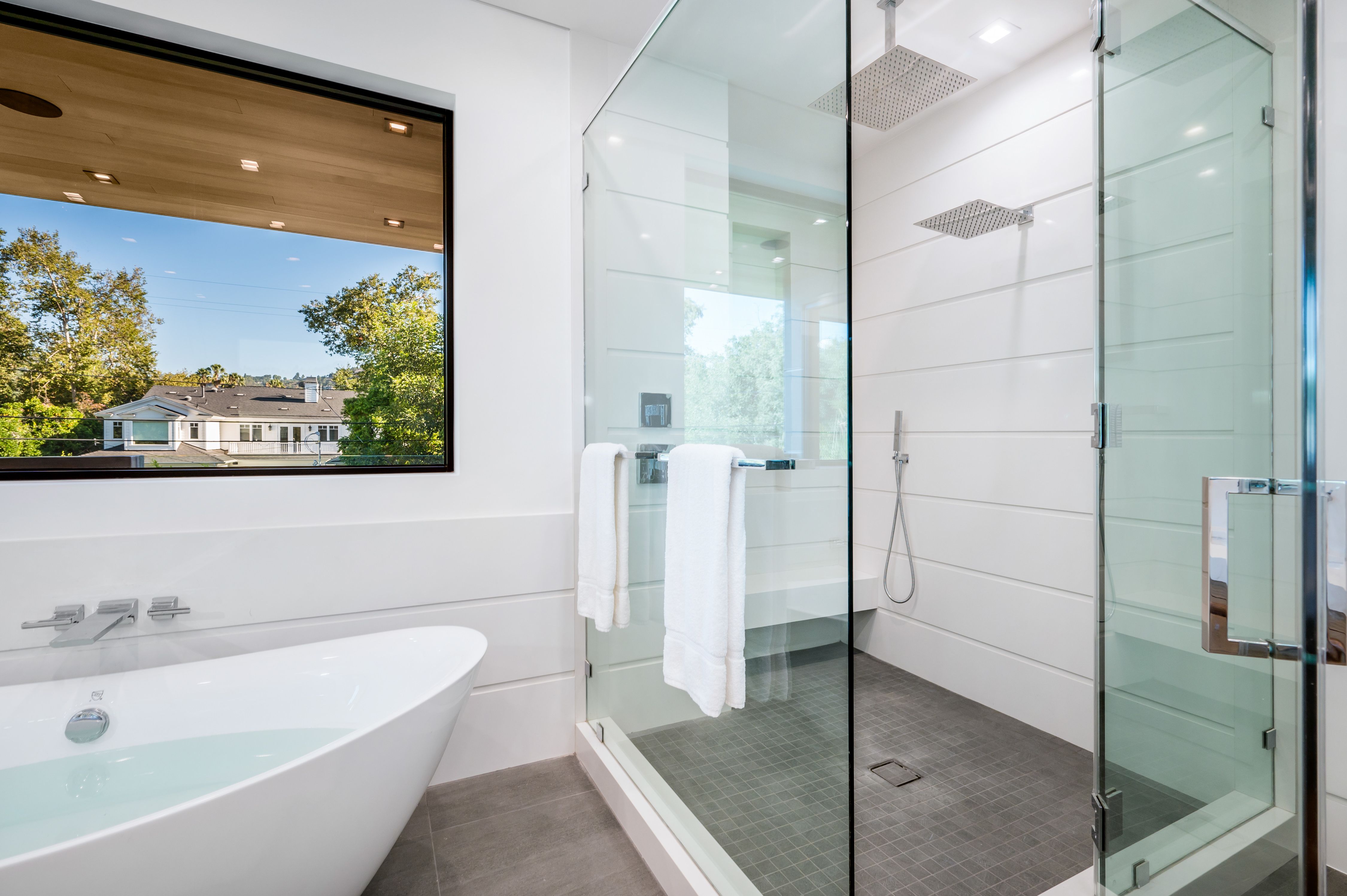
If a bathtub is preferred, installing a walk-in tub is a great alternative. These tubs come with a door, allowing seniors to enter without lifting their legs over the side.
Toilet Adjustments
Standard toilets can be challenging for those with mobility issues. Replacing them with a comfort-height toilet can make a significant difference. These toilets are slightly taller, making sitting and standing easier.
Adding a toilet safety frame or grab bars around the toilet provides additional support, further enhancing safety and accessibility.
Sink and Vanity Considerations
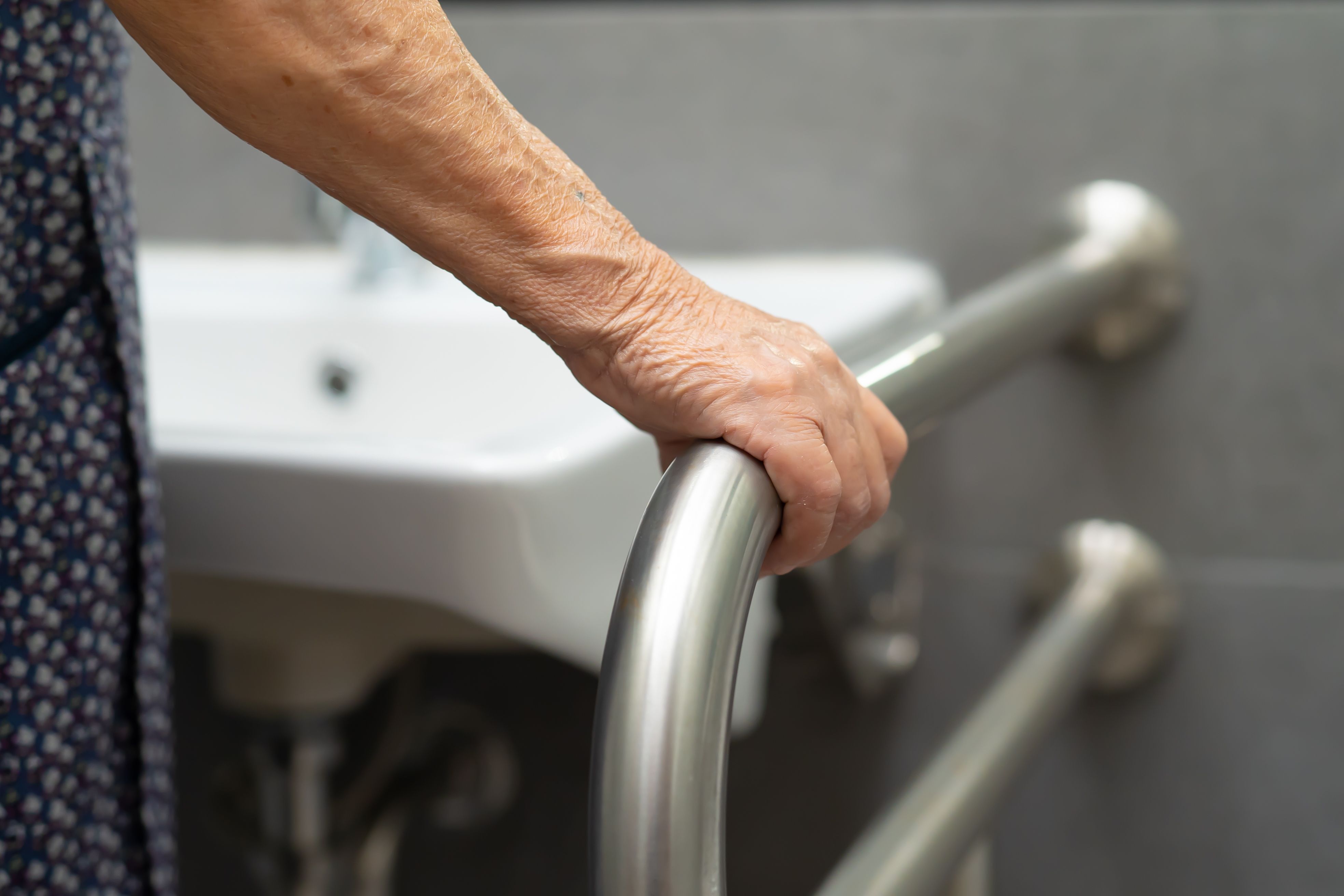
The sink area should also be modified for accessibility. Consider a wall-mounted sink which allows for wheelchair access. Ensure that the faucet handles are easy to turn, or opt for touchless models for added convenience.
Lighting and Visibility
Good lighting is crucial in an accessible bathroom. Install bright, even lighting to reduce shadows and enhance visibility. Motion-sensor lights can also be a practical addition, ensuring the bathroom is well-lit whenever it's in use.
Storage Solutions
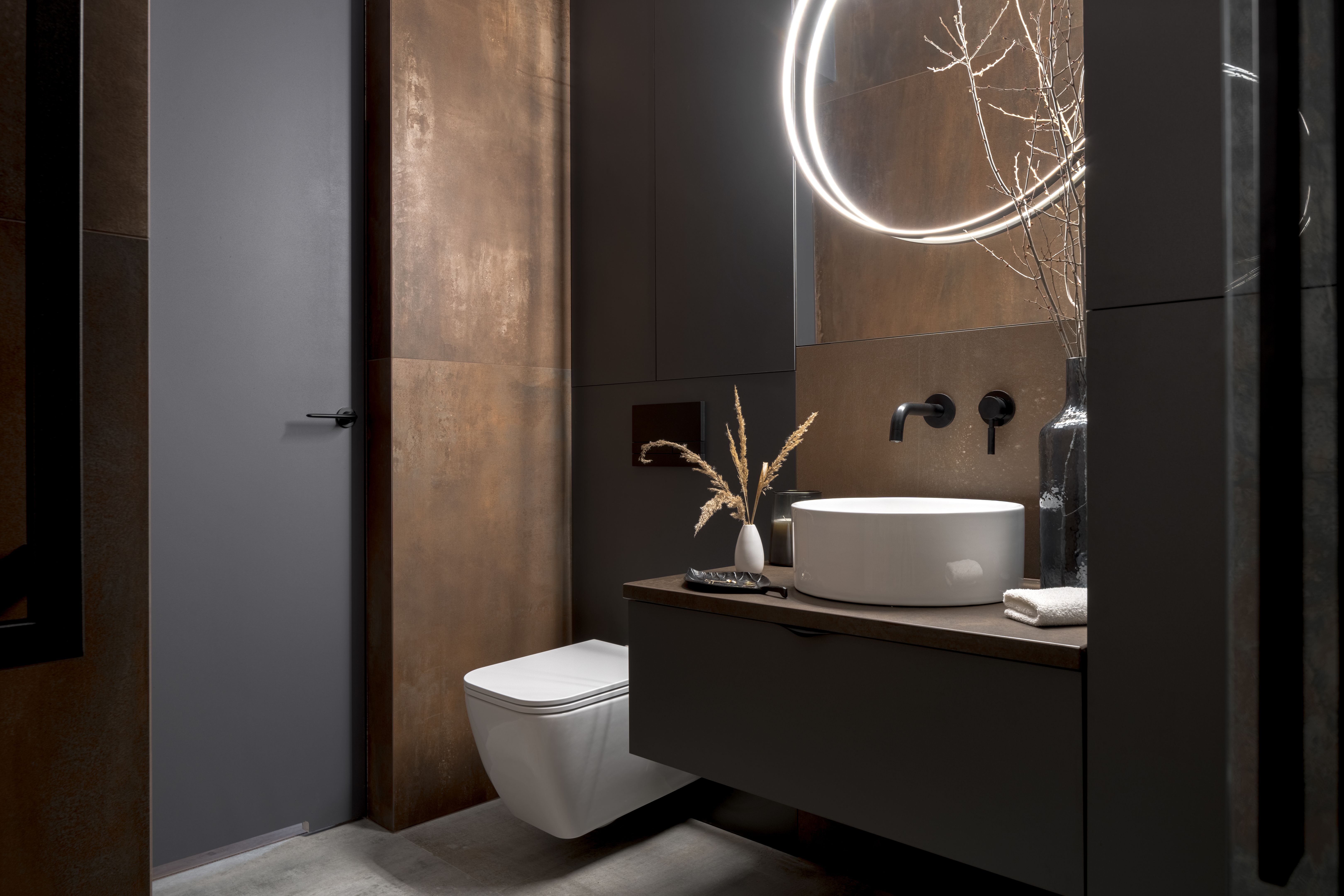
Accessible storage solutions are essential for maintaining independence. Install low, open shelves for easy access to toiletries and towels. Avoid high cabinets that may require stretching or climbing to reach.
Conclusion
Creating an accessible bathroom is an investment in safety and comfort. With these modifications, seniors can maintain their independence and enjoy their homes for years to come. Consider consulting with a professional to ensure all modifications meet the necessary standards and requirements.