How to Plan Aging in Place Renovations for Urban Homes
Aging in place is a growing trend among seniors who wish to maintain their independence and stay in their urban homes. Planning renovations to accommodate this lifestyle requires careful consideration and strategic design. Here are some essential tips to help you create a safe and comfortable environment.
Understanding the Basics
The first step in planning aging in place renovations is to understand the unique needs of older adults. This involves considering mobility, accessibility, and safety. Homes should be designed to prevent falls and make daily activities easier.
Consulting with professionals such as occupational therapists or aging-in-place specialists can provide valuable insights. They can assess the current home layout and suggest modifications that cater to specific needs.

Key Areas for Renovation
Bathroom Modifications
The bathroom is a critical area to focus on. Installing grab bars near the toilet and in the shower can significantly reduce the risk of falls. Consider replacing traditional bathtubs with walk-in showers for easier access.
Non-slip flooring and adjustable showerheads also contribute to a safer environment. Lever-style faucet handles are easier to use for those with limited hand strength.
Kitchen Adjustments
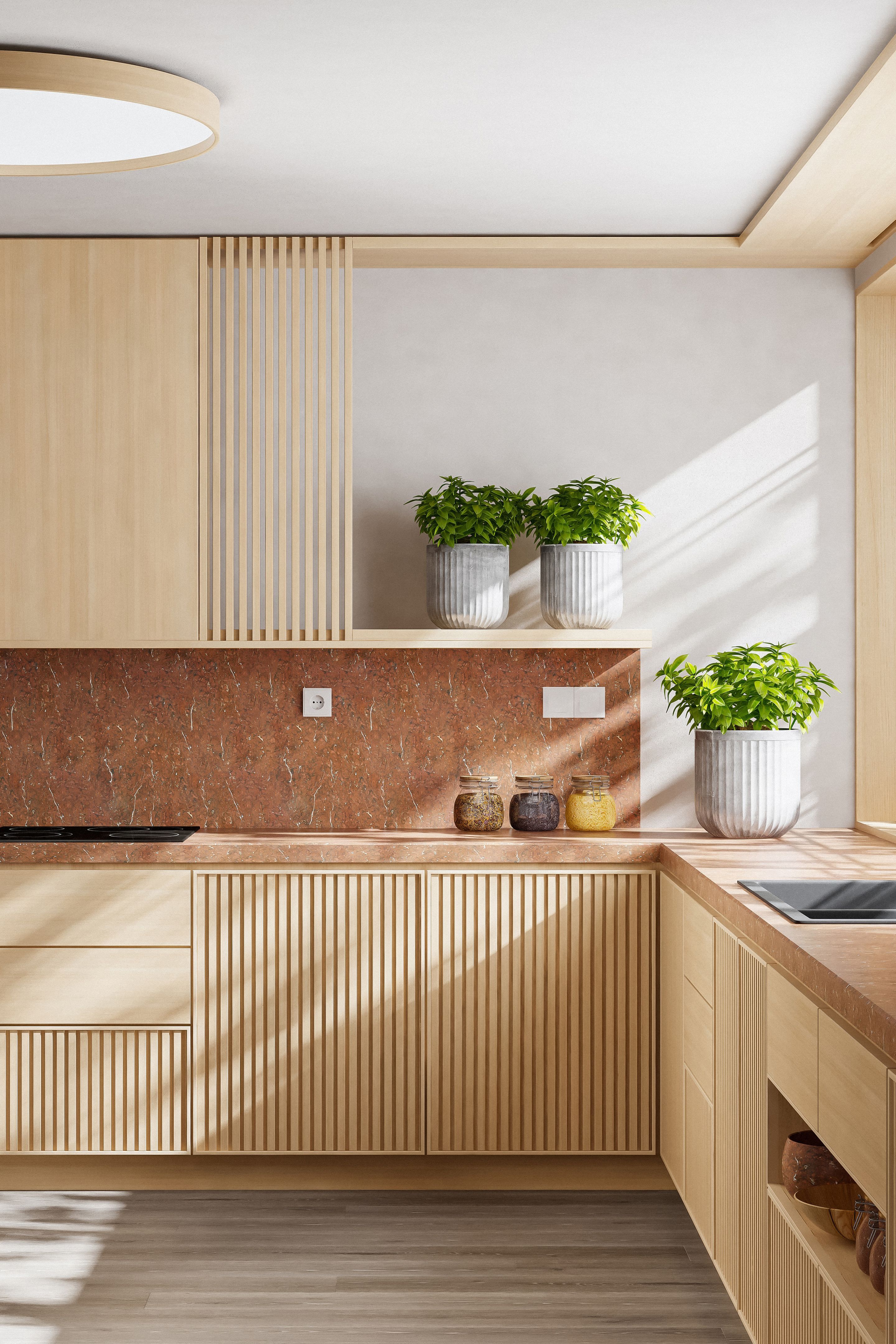
In the kitchen, prioritize accessibility and ease of use. Lowering countertops and ensuring that frequently used items are within reach can make a significant difference. Pull-out shelves and drawers can improve storage accessibility.
Living Area Enhancements
In living areas, consider open floor plans that allow for easier movement. Remove unnecessary furniture to create clear pathways, and ensure that rugs are secured to prevent tripping hazards.
Smart home technology, such as voice-activated assistants and automated lighting, can also enhance safety and convenience for seniors.
Financial Planning for Renovations
Renovating a home for aging in place can be an investment, but there are financial resources available. Explore government grants and loans designed to assist seniors with home modifications.
It's also worth consulting with financial advisors to explore options such as reverse mortgages or home equity lines of credit. These can provide the necessary funding without impacting savings.
Choosing the Right Contractors
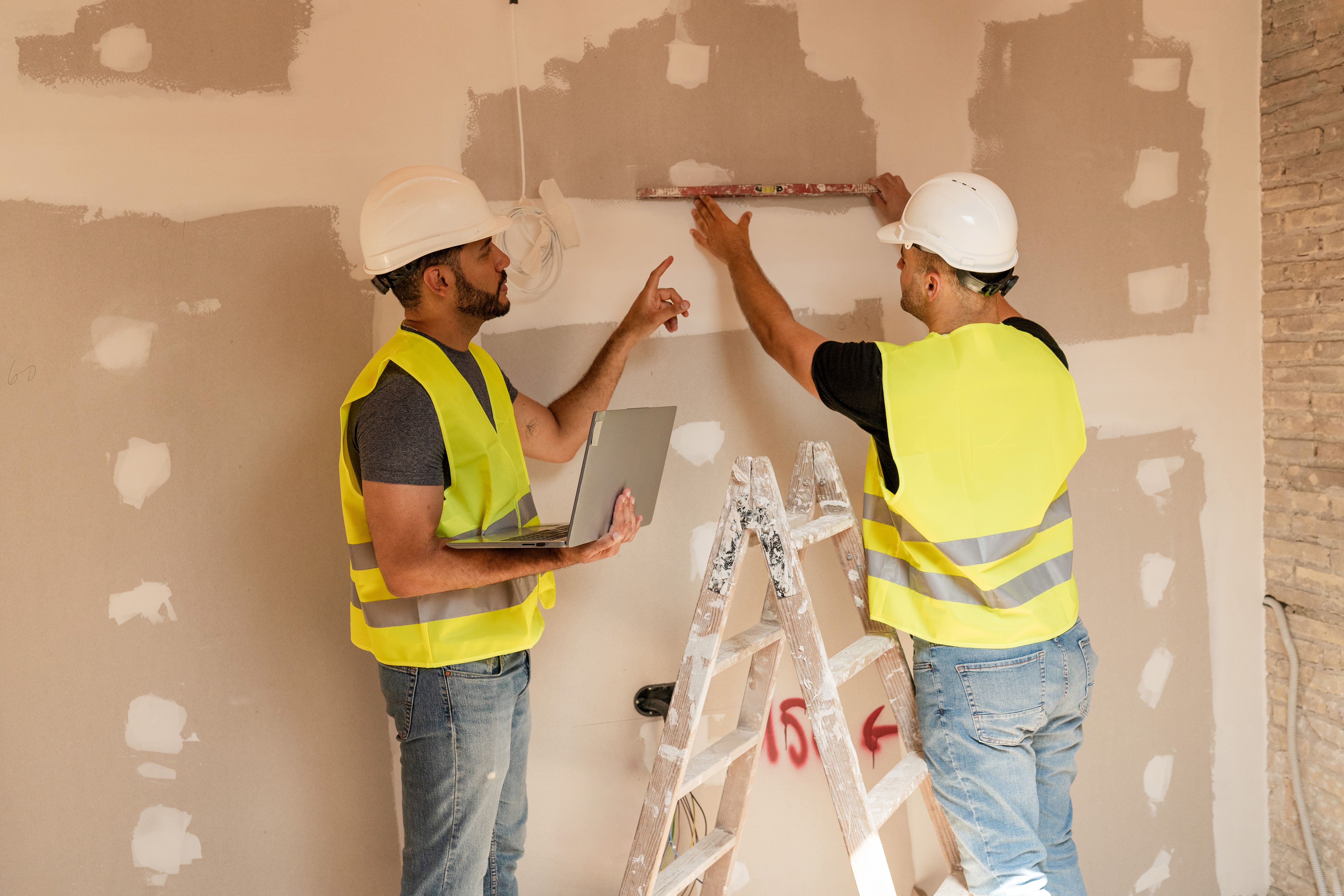
Hiring experienced contractors is crucial for successful renovations. Look for professionals who specialize in aging-in-place modifications and have a portfolio of completed projects.
Seek recommendations from friends or family, and read reviews to ensure that the contractors are reputable and reliable.
Conclusion
Planning for aging in place in urban homes involves a thoughtful approach that balances safety, accessibility, and comfort. By focusing on key areas like bathrooms, kitchens, and living spaces, and by leveraging available financial resources, you can create a home that supports independence and quality of life for years to come.