Current Trends in Universal Home Design for Aging in Place
Understanding Universal Home Design
As the population ages, the concept of "aging in place" is becoming increasingly important. Universal home design focuses on creating spaces that are accessible and functional for everyone, regardless of age or ability. This approach not only supports older adults in maintaining independence but also ensures that homes remain adaptable over time.
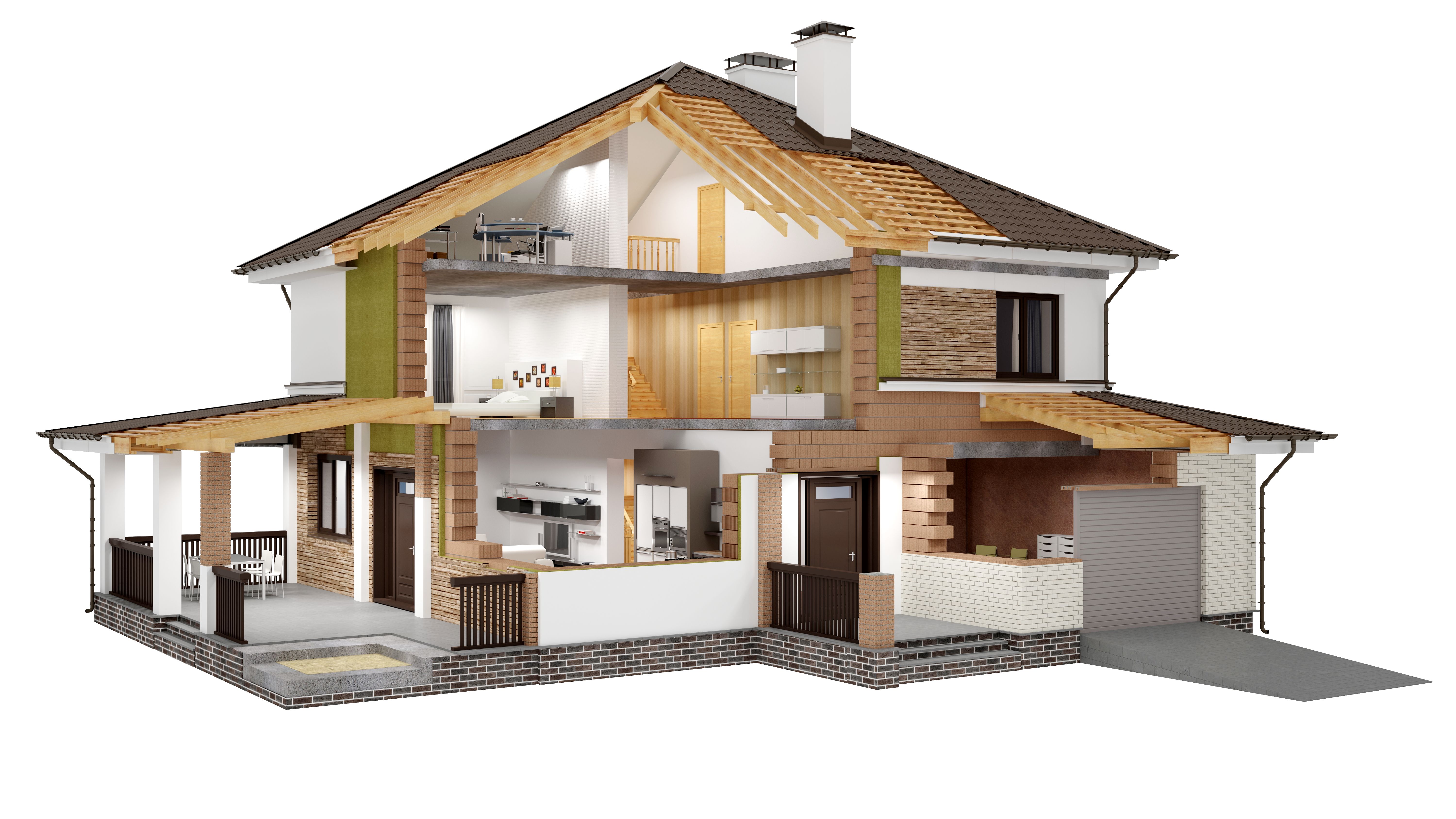
An essential aspect of universal design is the integration of features that cater to diverse needs. These include wider doorways, zero-step entrances, and lever-style door handles. By incorporating these elements, homes can accommodate mobility aids like wheelchairs and walkers, promoting a safer and more convenient living environment.
Key Features of Universal Design
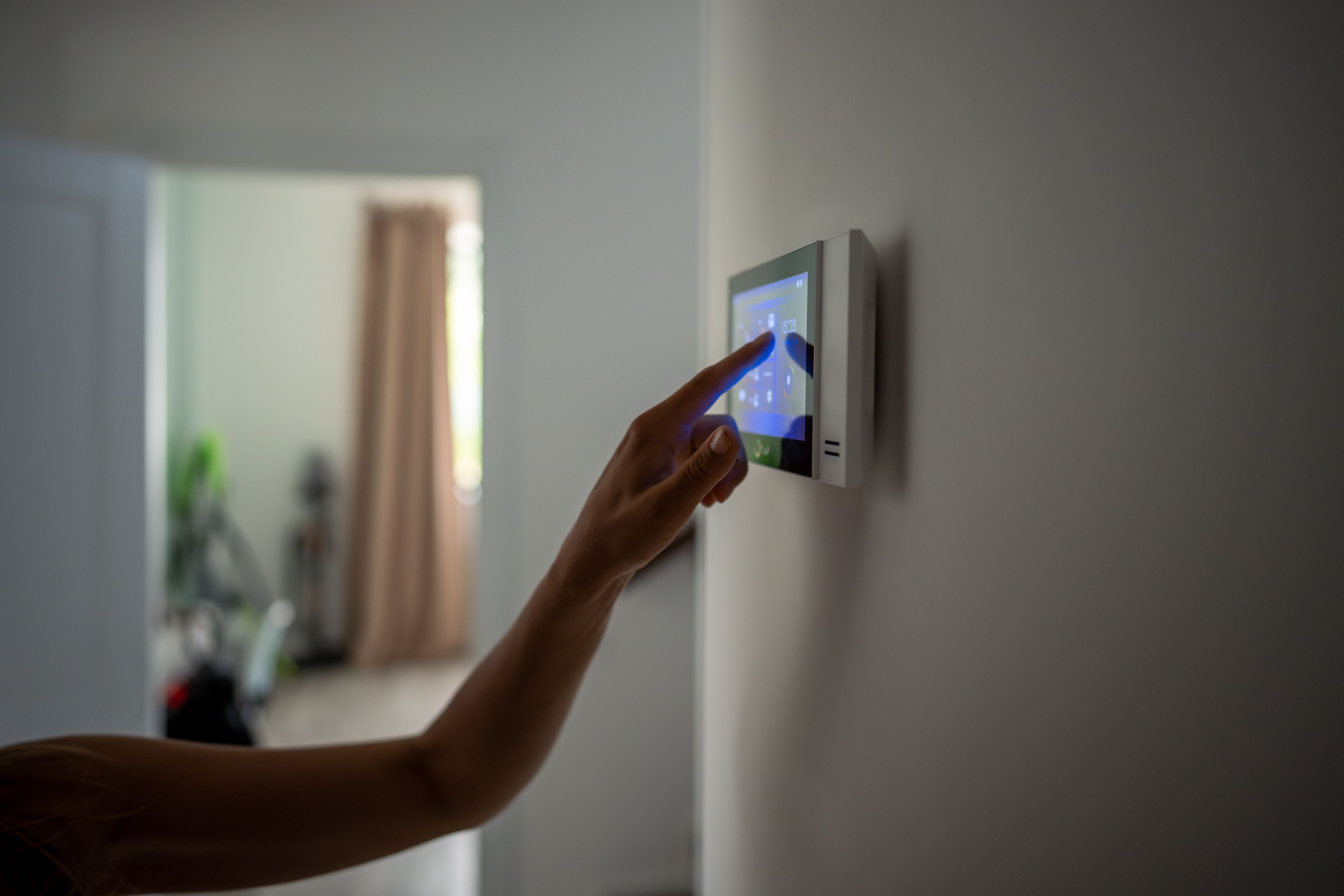
One of the core principles of universal home design is simplicity and ease of use. For instance, installing non-slip flooring and adequate lighting can significantly reduce the risk of falls. Additionally, touch-activated faucets and thermostats with large, easy-to-read displays enhance usability for those with vision or dexterity challenges.
Another trend is the focus on flexible living spaces. Homes are being designed with open floor plans that allow for easy movement and reconfiguration. This flexibility ensures that as needs change, the home can adapt without requiring major renovations.
Technology Integration
Smart home technology is playing a pivotal role in universal design. Voice-activated controls for lighting, temperature, and security systems provide convenience and safety. Moreover, smart appliances and automated systems can assist with daily tasks, offering peace of mind for both residents and caregivers.
These technological advancements not only enhance functionality but also help in monitoring health and wellness. Wearable devices and remote health monitoring systems can track vital signs and alert family members or healthcare professionals if issues arise.
Benefits of Aging in Place
Staying in a familiar environment can have profound emotional and psychological benefits for older adults. Aging in place allows individuals to maintain their routines, stay connected with their community, and enjoy a sense of independence. This stability can lead to improved mental health and overall well-being.
Moreover, universal home design can result in financial savings. By investing in adaptable features early on, homeowners can avoid costly renovations or the need to move into assisted living facilities later in life.
Incorporating Aesthetic Appeal
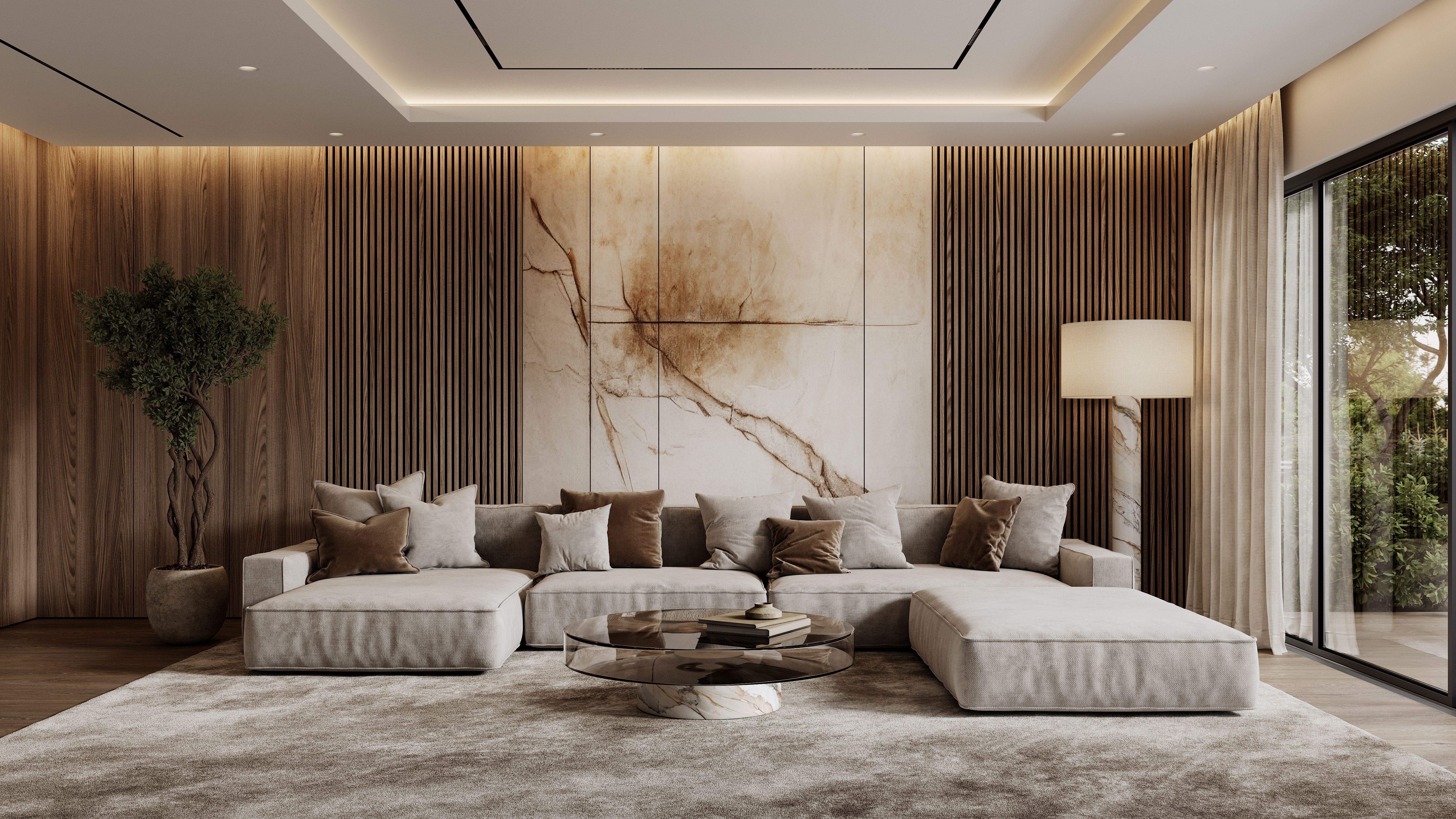
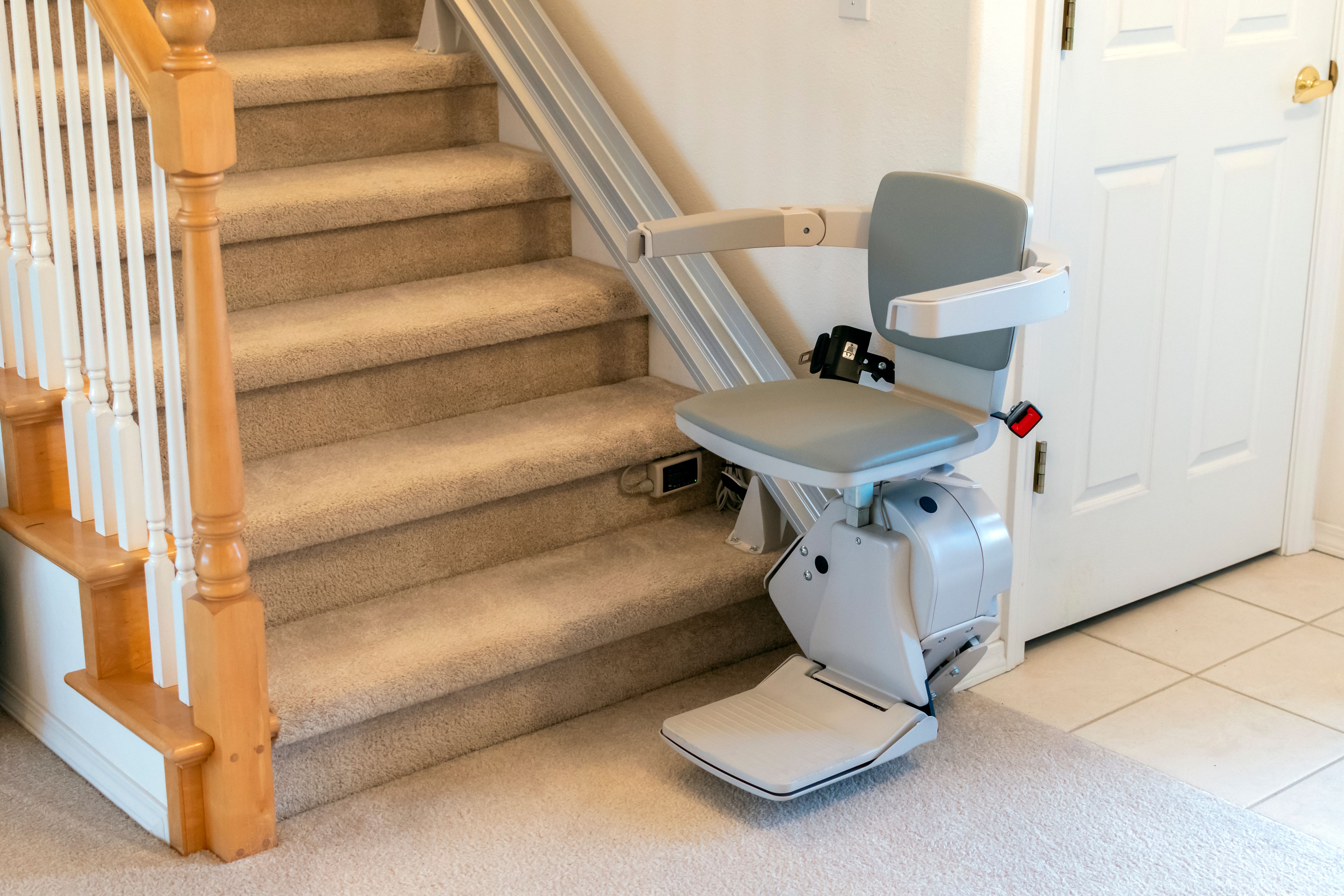
While functionality is crucial, aesthetics also play a significant role in universal design. Modern designs focus on blending accessibility with style, ensuring that homes remain attractive and welcoming. From sleek grab bars to stylish stair lifts, there are numerous options available that enhance both form and function.
Designers are increasingly using contrasting colors and textures to aid those with visual impairments, while also creating visually appealing spaces. This attention to detail ensures that universal design is not only practical but also beautiful.