Building Wheelchair Ramps in Cleveland: A Step-by-Step Guide
Building a wheelchair ramp is an essential task for ensuring accessibility and independence for individuals with mobility challenges. In Cleveland, where community values and inclusivity are highly regarded, constructing a wheelchair ramp is both a practical and compassionate project. This guide will walk you through the process step-by-step.
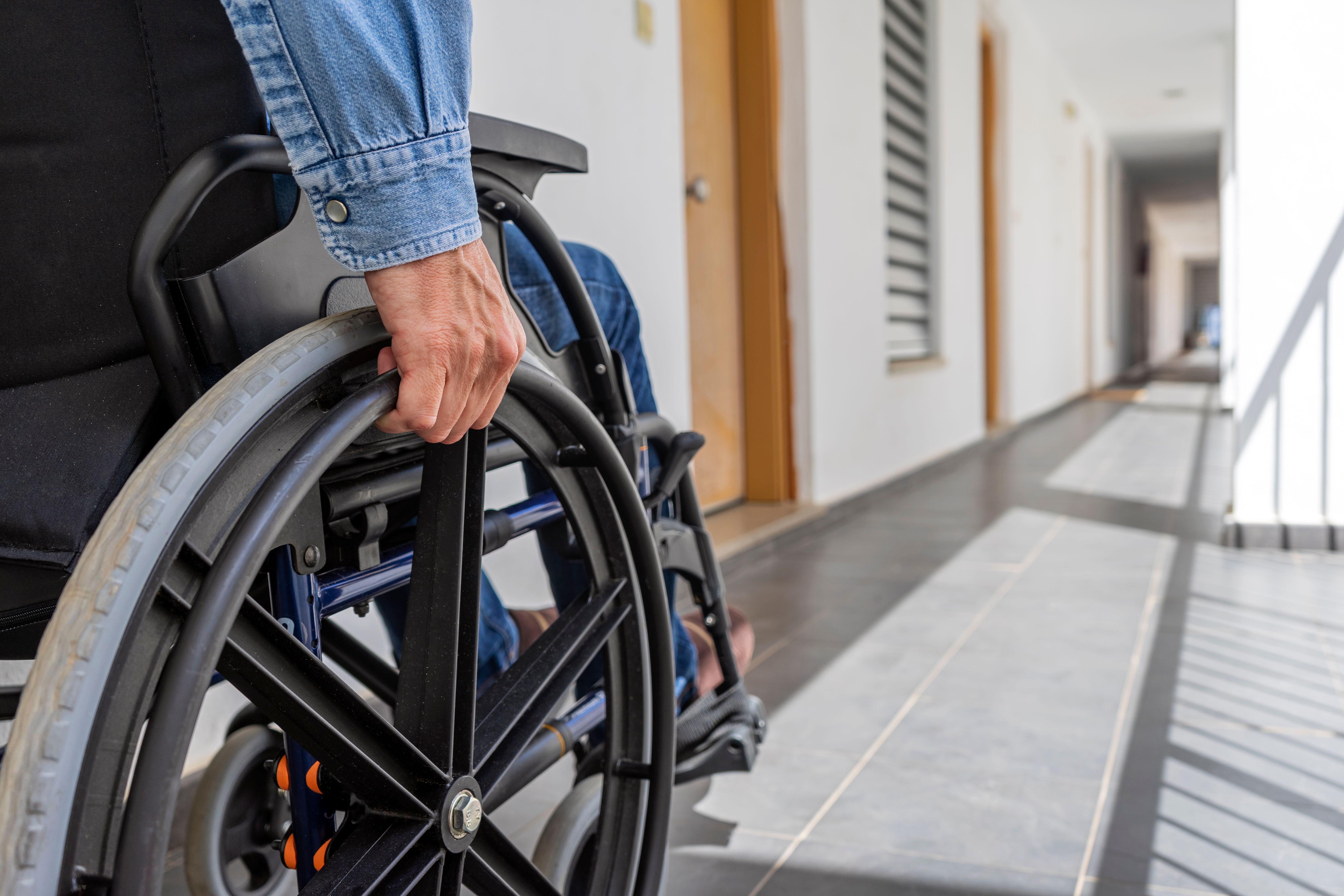
Understanding Local Regulations
Before starting your project, familiarize yourself with Cleveland's local building codes and regulations. It's crucial to ensure that your ramp complies with the Americans with Disabilities Act (ADA) standards. These guidelines stipulate specific requirements regarding the slope, width, and landing areas of the ramp.
ADA Compliance
For a ramp to be ADA compliant, it should have a slope ratio of 1:12, meaning one inch of rise for every twelve inches of run. Additionally, the ramp should be at least 36 inches wide and include landings at the top and bottom. This ensures safety and ease of use for wheelchair users.

Designing the Ramp
Once you understand the regulations, the next step is designing the ramp. Consider the available space and the user's specific needs. The design should integrate seamlessly with the existing landscape while providing the necessary accessibility.
Materials Selection
Choosing the right materials is crucial for durability and safety. Common materials include wood, aluminum, and concrete. Each has its advantages: wood is cost-effective, aluminum is low-maintenance, and concrete is highly durable. Consider the local climate and long-term maintenance when selecting materials.

Constructing the Ramp
With your design and materials ready, it's time to start construction. Begin with the foundation, ensuring it's level and stable. Follow the design plans closely, paying attention to the slope and width to maintain ADA compliance.
Safety Measures
During construction, prioritize safety. Use nonslip surfaces and add handrails for additional support. Ensure all edges are smooth to prevent accidents. Regularly check the stability of the ramp throughout the building process.
Final Inspection and Maintenance
Once the ramp is constructed, conduct a thorough inspection to ensure it meets all safety and regulatory standards. Check for any loose materials or potential hazards. Regular maintenance, such as cleaning and checking for wear and tear, will prolong the ramp's lifespan.
Building a wheelchair ramp in Cleveland not only enhances accessibility but also contributes to a more inclusive community. By following these steps and adhering to local regulations, you can create a safe and functional ramp that serves its purpose effectively.